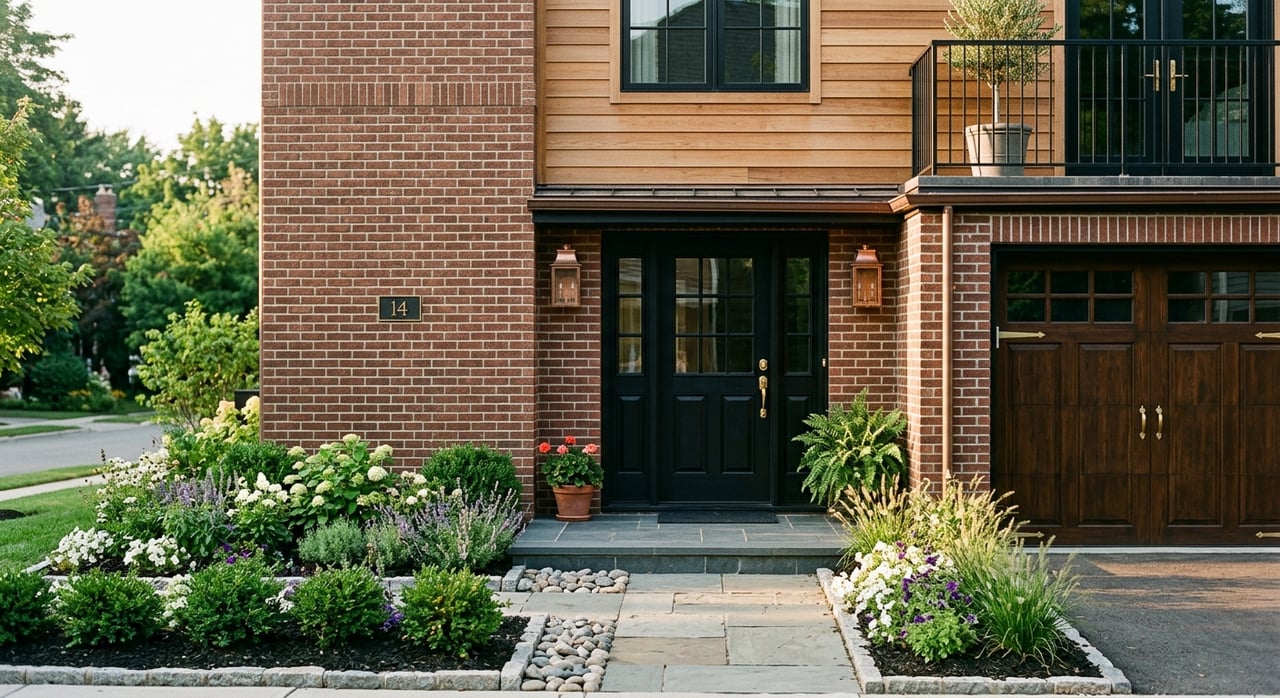
If the idea of downsizing sounds simple until you start looking at listings, you are not alone. In Farmington Hills, condo and townhome options can offer less upkeep and a more manageable layout, but the details behind ownership, fees, and maintenance matter just as much as square footage. This guide will help you compare your options, understand what to ask, and build a smoother plan if you need to sell your current home and buy your next one on the same timeline. Let’s dive in.
Why Farmington Hills Works for Downsizing
Farmington Hills gives you a useful mix of housing choices if you want to right-size without leaving a well-established suburban market. The city’s 2024 master plan notes that local zoning already allows a range of housing types, including townhouses and other smaller-scale attached housing, and it highlights a desire for greater housing diversity.
That matters because downsizing is not one-size-fits-all. You may want a compact one-level layout, a low-maintenance attached home, or a newer build with updated finishes and less day-to-day exterior upkeep. A market with multiple housing formats gives you more ways to match your next home to your actual lifestyle.
Current listing data also shows why planning ahead is important. Realtor.com’s April 2026 snapshot shows 217 homes for sale in Farmington Hills, with a median listing price of $359,000, a median sold price of $345,000, and 30 median days on market. Redfin shows 53 condos for sale, with a median listing price of $235,000 and 41 median days on market.
Farmington Hills Condo and Townhome Inventory
If you are comparing attached housing options, condos currently offer more choice than townhomes in Farmington Hills. Redfin shows 53 condos for sale, while Realtor.com shows just 8 townhomes on the market right now.
That smaller townhome inventory can make the search feel narrow, but it also shows a wide pricing and size range. Sample townhome listings run from a pending $169,999 one-bedroom unit at 808 square feet to a new-construction two-bedroom, 2.5-bath unit listed at $419,735 with 1,327 square feet.
In practical terms, you may see options that range from simple, budget-conscious attached homes to newer properties with higher price points and more updated features. That is why it helps to define your must-haves before you tour. If you wait to sort out your priorities until after you fall in love with a layout, the process can get stressful fast.
What “Townhome” Means in Michigan
One of the biggest surprises for buyers is that the word townhome does not always tell you the legal setup. In Michigan, the Condominium Buyer’s Handbook explains that a site condominium is not a legally defined term in the Condominium Act, even though people use it to describe single-family detached housing in a condominium development.
That means you should not assume ownership or maintenance rules based on the label in a listing. A home may look like a townhome, live like a condo, or have association rules that affect exterior changes, shared spaces, and repair responsibilities.
Before you move forward, ask for the recorded master deed, bylaws, disclosure statement, and condominium subdivision plan. Those documents help clarify what you actually own, what is shared, and what the association controls.
What You May Share in a Condo
If you are downsizing for simpler living, this is where the details count. Michigan’s handbook says condo common elements can include hallways, lobbies, building exteriors, lawns, private streets, recreation facilities, and even systems like heating, water, and electric service.
In structure-based condos, owners may also share major components like the roof, furnace, pipes, wires, and other common elements. That can be a benefit if you want less direct responsibility for exterior or major system upkeep, but you need to know exactly how the association handles those items.
The key takeaway is simple: do not assume “low maintenance” means the same thing in every community. Some associations cover more. Some cover less. The documents tell the real story.
Features to Compare Before You Buy
Farmington Hills listings show a wide spread in layout and lifestyle features, even within the same general price category. Current examples include units with garages, private balconies, in-unit laundry, enclosed courtyards, finished basements, private entrances, decks, and ranch-style floor plans.
This is why a room-by-room and routine-by-routine checklist helps. Think about how you live now and what you want to keep, simplify, or give up.
Interior features to review
- Main-floor living versus stairs
- In-unit laundry versus shared or lower-level laundry
- Finished basement or lower-level space
- Storage inside the unit
- Number of bedrooms and baths for guests or hobbies
- Private entrance versus shared hallway access
Exterior and parking features to review
- Attached garage, carport, or open parking
- Balcony, patio, courtyard, or deck
- Amount of private outdoor space
- Guest parking availability
- Exterior stairs or step-free entry
Lifestyle questions to ask yourself
- Do you want less cleaning or just less yard work?
- Do you still need space for visitors?
- Would one-level living make daily life easier?
- How much outdoor space do you really want to maintain?
When you know your daily priorities, it becomes easier to rule listings in or out quickly.
Ask What the HOA Really Covers
For many downsizers, the monthly HOA fee is worth it if it removes major chores and surprise maintenance. Still, the smart question is not just how much is the fee? It is what does that fee actually cover?
Michigan’s handbook explains that associations may manage general common elements such as exteriors, lawns, streets, and recreation facilities. At the same time, owners are still responsible for dues and assessments, and some repairs or changes to the unit may require association approval.
That approval point matters more than many buyers expect. Even the Farmington Hills fence-permit page notes that residents may want subdivision association approval before submitting a city permit application. If you plan to make changes, confirm the process early.
HOA questions worth asking
- What exterior maintenance does the association handle?
- Are roofs, siding, lawns, snow removal, or private roads included?
- What owner changes require approval?
- Are there current or recent special assessments?
- How often do dues increase?
- Are meeting minutes and financial statements available for review?
Confirm Outdoor Space and Boundaries
Outdoor space is one of the most misunderstood parts of condo and townhome living. Some Farmington Hills units currently offer balconies, courtyards, or decks, while others have only limited common-element space.
If a yard, patio, or fenced area matters to you, ask whether it is deeded, considered a limited common element, or subject to association rules. Michigan’s handbook notes that limited common elements can include assigned carport space and even the yard of a single-family detached unit in a site condominium.
That distinction affects how much control you have and what changes you may be allowed to make. If outdoor living is part of your downsizing plan, get those answers in writing before you commit.
Look Beyond the Sticker Price
A lower list price does not always mean a lower-cost move. Your monthly payment may also include HOA dues, and your long-term costs can change depending on the health of the association.
Michigan law requires associations of co-owners to maintain a reserve fund for major repairs and replacement of common elements. The law and the state handbook also make clear that unpaid assessments can become a lien on the unit, and associations must provide annual financial statements and keep condo documents available to co-owners and prospective purchasers.
That is why the reserve fund matters. A low monthly fee may look attractive at first, but if the association is underfunded, owners may face special assessments when major repairs come due.
Budget items to review
- Purchase price
- Monthly HOA dues
- Reserve fund strength
- Recent financial statements
- Special assessment history
- Property taxes
- Insurance
- Closing costs
- Moving expenses
Coordinate Your Sale and Purchase Early
If you need to sell your current home before buying your next one, timing is a major part of the plan. The practical approach is to treat your condo search, sale prep, and financing review as one coordinated process instead of three separate tasks.
A strong starting point is getting preapproved and estimating the net proceeds from your current home. That helps you understand what you can comfortably carry in a new payment and how much flexibility you have when the right unit hits the market.
It also helps to remember that condo financing can have extra layers. Fannie Mae’s current project-eligibility guidance shows that condo loans may require different types of project review, especially in new or newly converted condo projects. In some cases, the association’s documents and project status matter just as much as the unit itself.
A simple downsizing game plan
- Get preapproved early.
- Estimate likely proceeds from your current home sale.
- Define your target monthly payment.
- Build a must-have list for your next home.
- Review condo or townhome documents before getting too far down the road.
- Coordinate closing dates as early as possible.
This kind of planning can reduce stress and help you make more confident decisions when inventory is limited.
Farmington Hills Lifestyle Perks
Downsizing is not just about less space. It is also about how you want to spend your time.
Farmington Hills offers amenities that may fit that next chapter well. Heritage Park includes 4.5 miles of trails, and the Costick Activities Center houses the Center for Active Adults and the Adults 50 & Better Program. If your goal is less home upkeep and more time for routines, recreation, and flexibility, those local features add value beyond the walls of the home itself.
The Bottom Line on Downsizing
The best condo or townhome for your next chapter is not always the one with the prettiest finishes or the lowest monthly dues. It is the one that fits how you want to live, what responsibilities you want to keep, and how comfortably it fits into your overall move plan.
In Farmington Hills, the current market gives you real options, especially in condos, but the fine print matters. When you compare ownership structure, HOA coverage, outdoor space, finances, and timing together, you are far more likely to make a move that feels right long after closing day.
If you are thinking about downsizing in Farmington Hills and want a calm, well-planned approach to buying, selling, or both at the same time, Ashley Ride Creative LLC is here to help you map out the next step with clarity and confidence.
FAQs
What condo options are available for downsizing in Farmington Hills?
- Current market data shows 53 condos for sale in Farmington Hills, with a median listing price of $235,000 and 41 median days on market, offering a broader range of choices than townhomes right now.
What townhome options are available in Farmington Hills?
- Realtor.com currently shows 8 townhomes for sale in Farmington Hills, with examples ranging from a pending $169,999 one-bedroom unit at 808 square feet to a new-construction unit listed at $419,735 with 1,327 square feet.
What should buyers ask about Michigan condo ownership before downsizing?
- Ask for the master deed, bylaws, disclosure statement, and condominium subdivision plan so you can confirm what you own, what is shared, and what maintenance or rule restrictions apply.
What HOA details matter most when buying a Farmington Hills condo or townhome?
- Review what the HOA covers, the reserve fund, annual financial statements, any special assessment history, and whether unit changes or exterior updates require association approval.
How should homeowners coordinate selling a larger home and buying a condo in Farmington Hills?
- A strong plan is to get preapproved, estimate net sale proceeds from your current home, define your next payment range, and coordinate financing and condo document review early so your timeline is easier to manage.