If you are thinking about buying a rental in Trenton, it helps to know this is not a market where flashy upgrades alone win. Savvy buyers usually do best when they focus on durability, realistic rent potential, and a property that can work well now and still appeal to a future resale buyer later. In this guide, you’ll see what makes Trenton different, what to check before you buy, and how to think about rentals here with a long-term strategy in mind. Let’s dive in.
Why Trenton Stands Out
Trenton sits in Wayne County’s Downriver area along the Detroit River, between Detroit and Monroe. Wayne County describes it as one of the more affluent Downriver communities, and the city offers practical amenities like waterfront access, parks, a hospital, industrial employers, and rail service.
That matters because Trenton tends to feel more like a stable suburban hold than a high-turnover rental pocket. With roughly 18,000 residents, an owner-occupied housing rate of 83.3%, median household income of $82,212, and a mean commute time of 25.4 minutes, the market often rewards buyers who think beyond quick rent alone.
What The Housing Stock Tells You
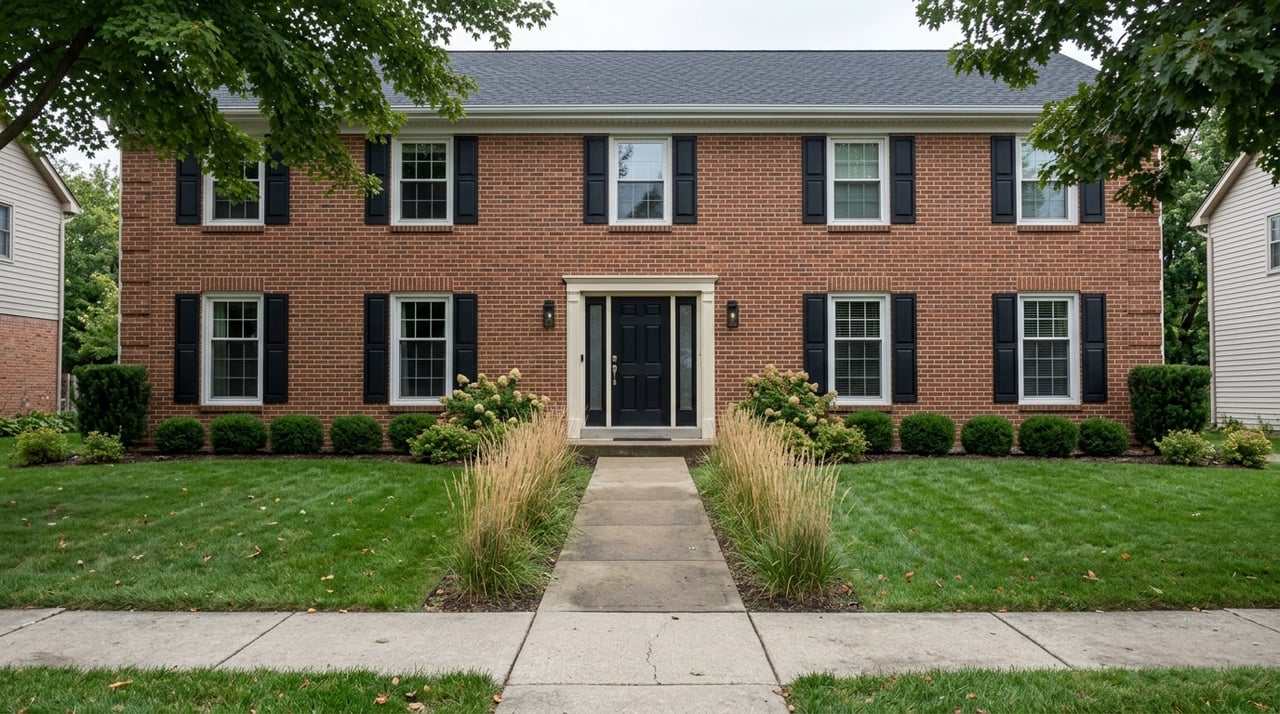
Trenton’s housing mix is led by single-family detached homes, which make up 72.3% of the local stock. Apartment complexes account for 16.5%, townhomes 7.1%, small apartment buildings 2.3%, and mobile homes 1.7%.
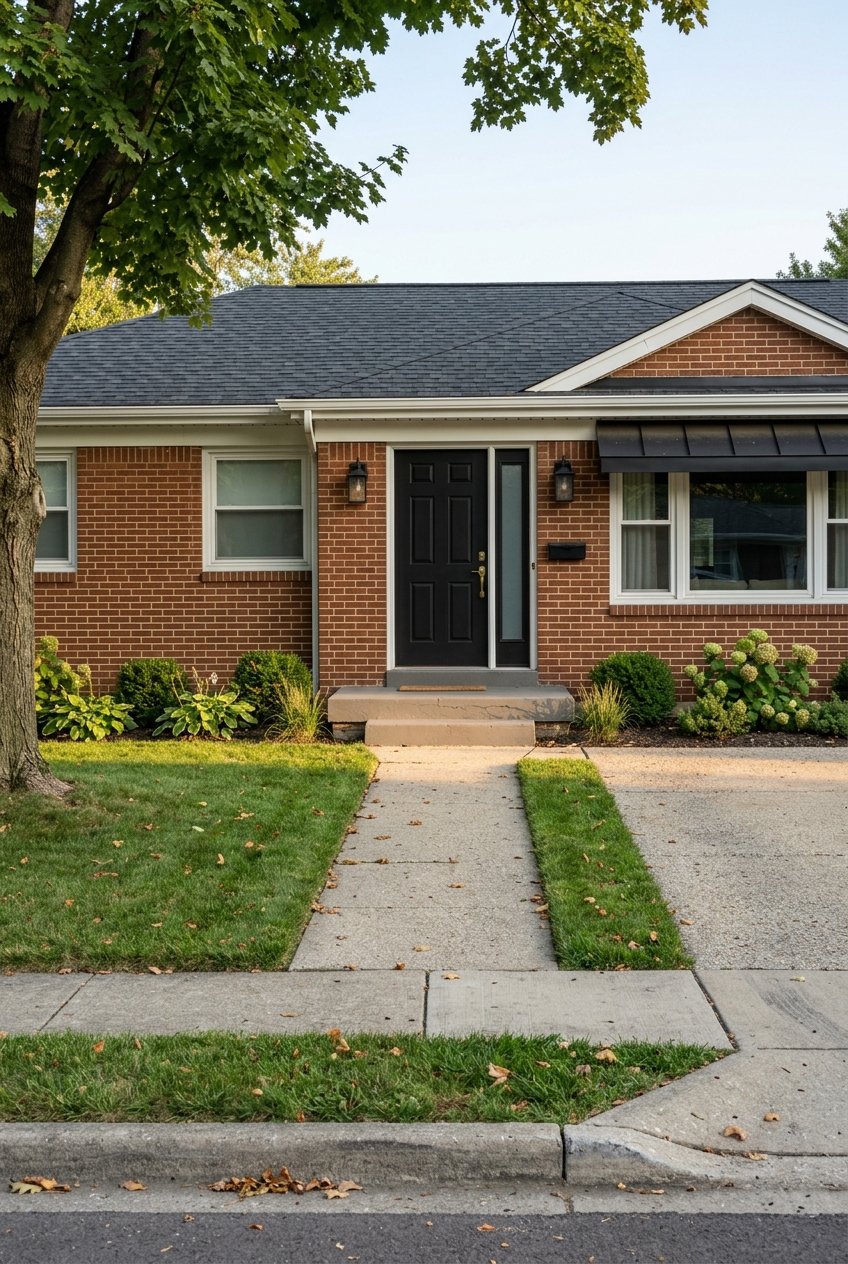
For an investor, that points to a clear takeaway. Many of the most practical rental opportunities are older single-family homes that can be updated for easy maintenance and broad appeal.
The age of the homes matters too. About 64.6% of Trenton’s housing was built from 1940 to 1969, while 24.4% was built from 1970 to 1999, 4.7% in 2000 or later, and 6.2% before 1939.
That older housing stock can create opportunity, but it also means your showing should focus on systems and condition, not just appearance. A home that looks clean on day one can still become expensive quickly if major components are near the end of their life.
Why Rent Numbers Need Context
One of the most important things to understand about Trenton is that rent data varies by source. That is not necessarily a red flag. It is a sign of a thinner market where property type, bedroom count, and condition can change the result more than you might expect.
Census QuickFacts reports a 2020 to 2024 median gross rent of $880. Zillow’s June 28, 2026 rental page shows an average rent of $1,175 with 12 available rentals, while Realtor.com’s May 2026 market snapshot shows a median rent of $1.7K with 9 rental listings.
Zillow’s asking-rent breakdown gives more context:
- Studios: about $795
- One-bedroom units: about $975
- Two-bedroom units: about $1,500
- Three-bedroom units: about $1,900
The lesson is simple. You should avoid underwriting a Trenton rental using one headline number alone.
What Savvy Buyers Look For
In Trenton, a smart showing is less about cosmetic finishes and more about whether the home can hold up as a rental without constant surprises. Since many investment candidates are older single-family homes, the best opportunities are often the ones that balance tenant appeal with manageable upkeep.
Here are the big things experienced buyers usually focus on.
Functional Bedroom Count
Start with the layout. Ask whether the home’s setup supports the bedroom count that the market actually rents well.
A property with awkward room flow or small, hard-to-use spaces may not perform as well as a simpler layout with practical bedrooms and common areas. In a market where rent can swing widely by bed count, usable space matters.
Major Systems And Deferred Maintenance
Check the roof, windows, HVAC, electrical, and plumbing early. These are the items most likely to affect your first-year costs in a meaningful way.
If the systems are older, you do not always need perfection, but you do need a realistic plan. A property that seems affordable up front can become much less attractive if early capital expenses stack up.
Basement, Crawl Space, And Drainage
This is a major local checkpoint. Trenton’s flood and drainage context matters because FEMA flood maps are available and the Frank & Poet Drain flood plain crosses the city.
During a showing, pay close attention to signs of moisture, past seepage, drainage issues, or musty conditions in the basement or crawl space. These issues can affect repair costs, insurance planning, and future tenant satisfaction.
Parking, Storage, And Yard Simplicity
Practical features often make a bigger difference than trendy finishes. Enough parking, usable storage, and an easy-to-maintain yard can help reduce tenant friction and keep turnover lower.
In a stable suburban market, convenience counts. A home that is simple to live in and simple to maintain often has stronger long-term appeal.
Tenant-Ready Safety And Durability
Before lease-up, life-safety items and durable finishes should be part of your checklist. That includes working smoke detectors, carbon-monoxide detectors, and surfaces that can handle normal wear without constant repair.
Trenton’s Fire Department states that it can inspect and install smoke and CO detectors for residents. That is a helpful reminder that these items are not just box-checking tasks. They are core to getting a property ready responsibly.
Local Rules Can Shape Your Timeline
A lot of newer investors focus heavily on the purchase price and expected rent, but local process matters too. In Trenton, city requirements can affect how quickly you buy, renovate, lease, and eventually sell.
The city’s Building Department says it is responsible for registration and inspection of all rental dwelling units, along with code enforcement and resale inspections for one- and two-family homes. That means you should build city inspection steps into your timeline instead of assuming a smooth close-to-lease handoff.
The city also states that a home inspection is required before the sale of a residential property, and the inspection-upon-transfer fee is $210. If your long-term plan includes resale, that requirement should be part of your budgeting and exit planning from the beginning.
Vacancy Is More Than Lost Rent
If your strategy includes a rehab period or a gap before lease-up, vacancy is not only a cash-flow issue. It can also trigger local compliance responsibilities.
Trenton says vacant-property registration and maintenance rules are meant to protect property values, support neighborhood upkeep, and help the city contact owners for maintenance, fire, safety, and police purposes. If you expect a property to sit empty for any period, it is wise to plan for that phase carefully.
The city also notes that flood insurance may be needed even outside a mapped flood zone, and that standard homeowner policies do not cover flood damage. For a buyer evaluating risk, that is an important local detail to review before closing.
How Trenton Fits A Downriver Strategy
Trenton can make sense for buyers who want a more conservative Downriver hold. It is not always the place investors chase for the absolute highest rent number, but it can offer a useful mix of stability, livability, and resale appeal.
Zillow shows homes going pending in around 8 days and reports a June 2026 average home value of $244,568. Realtor.com shows a median listing price of $254,900 and a median days-on-market figure of 28 days.
That combination suggests liquidity matters here almost as much as monthly rent. In other words, one of the strongest buys may be a property that works as a rental today and still looks attractive to a future owner-occupant when you decide to sell.
Compare Trenton To Nearby Downriver Markets
Looking at Trenton in context can help you make better decisions. Nearby Zillow rent snapshots show:
- Grosse Ile: $1,495
- Southgate: $1,434
- Riverview: $1,365
- Woodhaven: $1,149
- Gibraltar: $1,025
Trenton sits in the middle of that range rather than at the top. That gives you a practical lens for evaluating your options.
If you find a Trenton property with a strong layout, manageable updates, and broad resale appeal, it may be a solid hold. If the numbers only work under an aggressive rent assumption, it may be worth comparing the opportunity against nearby Downriver towns before moving forward.
A Smart Trenton Rental Checklist
When you walk through a potential rental in Trenton, keep your focus on the items that most directly affect performance:
- Layout that supports marketable bedroom count
- Roof, windows, HVAC, electrical, and plumbing condition
- Moisture, drainage, or seepage concerns
- Parking and storage practicality
- Simple exterior upkeep
- Working smoke and carbon-monoxide detectors
- City registration, inspection, and resale requirements
- Vacancy planning and possible flood-insurance needs
- Exit potential to a future owner-occupant buyer
This kind of checklist can keep you grounded when a property looks appealing on the surface. In Trenton especially, disciplined buying often matters more than chasing a perfect-looking listing.
If you are weighing a rental purchase in Trenton or comparing it to other Downriver opportunities, local context can make a big difference in how the numbers play out. Ashley Ride Creative LLC can help you look at the property through both an investor and resale lens so you can make a move with more clarity and confidence.
FAQs
What kind of rental property is most common in Trenton, Michigan?
- Single-family detached homes are the most common property type in Trenton, making up 72.3% of the housing stock.
Why do Trenton, Michigan rent estimates vary so much?
- Trenton is a relatively thin rental market, so rent can vary a lot based on bedroom count, property condition, and housing type.
What should investors check first during a Trenton, Michigan showing?
- Focus first on layout, major systems, moisture or drainage issues, parking, storage, and overall tenant-ready condition.
Does Trenton, Michigan require rental inspections?
- Yes. Trenton’s Building Department says it handles the registration and inspection of all rental dwelling units in the city.
Is a resale inspection required for a home sale in Trenton, Michigan?
- Yes. The city states that a home inspection is required before the sale of a residential property, and the inspection-upon-transfer fee is $210.
Should buyers think about flood risk for Trenton, Michigan rentals?
- Yes. Trenton notes that flood insurance may be needed even outside a mapped flood zone, and standard homeowner policies do not cover flood damage.