Looking for a place that feels a little removed from the rush of Metro Detroit without giving up everyday convenience? Grosse Ile Township offers exactly that kind of balance. If you are curious about waterfront living, neighborhood variety, and what day-to-day life on an island actually feels like, this guide will help you understand the essentials. Let’s dive in.
Why Grosse Ile Stands Out
Grosse Ile Township has a setting that is hard to confuse with anywhere else in Southeast Michigan. It is the largest island in the Detroit River and the most populated island in Michigan, with the main island covering about 9.6 square miles. The township also includes more than a dozen islands, many of them small and uninhabited.
Locally, you may hear people refer to the main island as the Big Island, Main Island, or simply the Island. That detail says a lot about the community’s identity. Grosse Ile is part of Wayne County and part of Metro Detroit, but it still has a distinct sense of place.
Island Living With Metro Detroit Access
One of the first questions buyers ask is simple: how do you get on and off the island? Grosse Ile’s vehicular access is built around two bridge crossings. The north end has the toll bridge, and the other main crossing is the free bridge, also known as the Wayne County Bridge.
That bridge-based access shapes daily life in a practical way. You are still connected to nearby communities like Gibraltar, Riverview, Trenton, Woodhaven, and Wyandotte, and access to the broader region runs through routes including Interstate 75 and Fort Street. Census Reporter lists the mean travel time to work at 30.8 minutes, which supports the idea that commuting from Grosse Ile is a normal part of life for many residents.
Transportation Is More Than Bridges
Grosse Ile’s planning documents treat transportation as multimodal. That includes travel by automobile, boat, plane, bicycle, and foot. For buyers who want a community with more than one way to move around and enjoy the area, that is a meaningful part of the lifestyle.
A unique local feature is the Grosse Ile Municipal Airport. It offers facilities for private and corporate aircraft, including hangars, fueling, maintenance, tie downs, and on-site lodging at the historic Pilot House. Even if you never use the airport yourself, it adds to the township’s distinctive mix of amenities.
Macomb Street Adds Everyday Convenience
Island living does not mean you have to leave the community for every errand or outing. The downtown core is centered on Macomb Street between Meridian Road and East River Road. According to the Downtown Development Authority, this district includes more than 70 businesses.
That business mix includes restaurants, retail, real estate, healthcare, and professional services. In real terms, that gives Grosse Ile a local service center that supports daily routines while still functioning as a commuter community. For buyers, that can mean a lifestyle with both convenience and a little breathing room.
Outdoor Life Is a Big Part of the Appeal
If you are drawn to the outdoors, Grosse Ile has a lot to offer beyond just scenic water views. The Grosse Ile Nature and Land Conservancy protects more than 195 acres and keeps preserves open from dawn to dusk for non-motorized recreation. Activities include walking, hiking, jogging, and bicycling.
The township’s master plan also points to a long-term focus on preserving open space. It states that the township has purchased more than 400 acres for preservation as natural open space and maintains a greenways and bike-path plan. A 2026 GINLC map shows 8.5 miles of official bike paths.
Waterfront Access Feels Central Here
In many communities, water is a backdrop. On Grosse Ile, it is part of everyday life. Sunrise Park is one of the clearest examples of that connection.
This 0.31-acre township-owned waterfront park sits at East River Road and Grosse Ile Parkway. It is one of the few public water-access points on the island, and GINLC describes it as the island’s only public beach and one of the Detroit River’s desirable kayak launch points. It is used by kayakers, dog walkers, bicyclists, joggers, birders, and people who simply want to enjoy the river view.
That emphasis on shoreline preservation and water access shows up in both local planning and conservation efforts. If you are looking for a community where the river shapes recreation and atmosphere, Grosse Ile delivers that in a very direct way.
What Homes Look Like on Grosse Ile
Grosse Ile Township is predominantly residential, but the housing mix is more varied than many buyers expect. According to the township master plan, different parts of the island offer different neighborhood patterns and home types. That variety is important if you are trying to match lifestyle goals with the right part of the community.
Here is a simple breakdown of the main housing patterns:
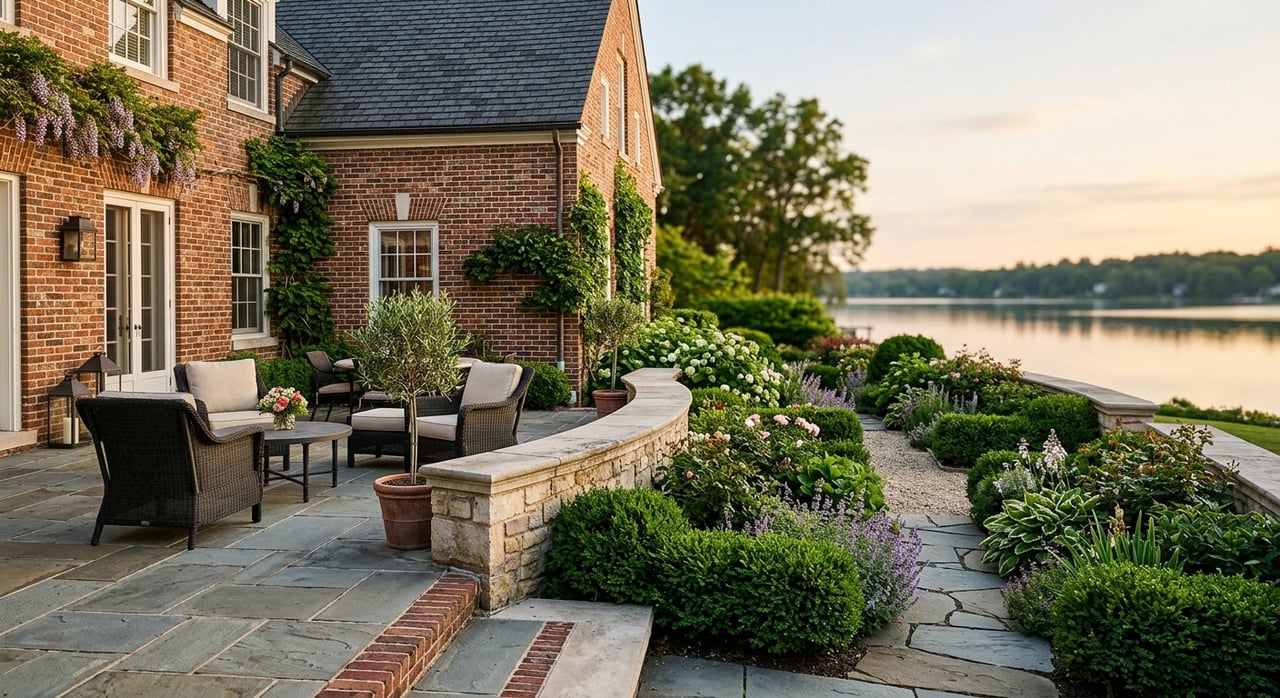
- Waterfront residential areas along the Detroit River and Trenton Channel tend to feature larger homes on large lots.
- Historic shoreline corridors along East River Road and West River Road include many historically significant homes and structures.
- Canal residential areas along the Thorofare Canal typically have moderately sized lots.
- Traditional island neighborhoods on Hickory, Meso, Elba, and Swan islands generally feature moderately sized homes on smaller lots.
- Macomb Street area is where multiple-family residential development is more likely to be concentrated.
For buyers, that means Grosse Ile is not one single housing story. You can find settings that feel more estate-like, more traditional, or more compact, depending on where you focus.
Historic Character Still Matters
If you appreciate older homes and established neighborhood character, Grosse Ile has some notable history. Wayne County notes that shoreline areas contain most of the township’s historically significant places and structures. The county also identifies Jewell Colony as the island’s first planned subdivision.
About a dozen homes in Jewell Colony from the 1920s are listed on the Michigan Register of Historic Places. That does not define the entire housing market, but it does show that parts of Grosse Ile offer a meaningful layer of architectural and community history.
What the Numbers Suggest About the Market
Recent Census data helps paint a broad picture of the community. As of July 1, 2024, the population estimate was 10,463. The ACS profile shows 4,441 housing units and 4,140 households.
The same data shows a 91.9% owner-occupied housing rate and a median owner-occupied home value of $355,900. Median household income is $126,582, the median age is 50.4, and bachelor’s degree attainment is 50.2%.
Taken together, those figures point to a stable, established ownership market. For buyers and sellers, that can suggest a community with long-term residency patterns and a strong residential identity, while still offering a range of housing types depending on the specific area of the island.
Who Might Love Grosse Ile Most
Grosse Ile can appeal to several types of buyers. If you want a community with visible access to water, open space, and a quieter setting, it is easy to see the draw. If you still need practical access to the mainland for work, errands, or regional travel, the bridge connections and commuter routes help make that realistic.
It may also appeal to buyers who want an established, primarily owner-occupied market with varied neighborhood character. Some will be drawn to waterfront lots, others to canal settings, and others to more traditional interior neighborhoods. The right fit often comes down to how you want your daily routine to feel.
What Buyers Should Keep in Mind
Island living comes with a few practical considerations. The biggest is that bridges are part of everyday planning. That does not make access difficult, but it does mean your routines are a little more shaped by entry and exit points than they would be in a typical land-locked suburb.
It also helps to think carefully about what kind of setting you want. On Grosse Ile, lot size, water proximity, housing style, and neighborhood layout can vary quite a bit from one area to another. A clear search strategy can make a big difference when you start exploring options.
Why Local Guidance Matters
A community like Grosse Ile is best understood block by block and shoreline by shoreline. Two homes in the same township can offer very different experiences depending on whether they sit near the river, along a canal, or in a more traditional interior neighborhood. That is why local context matters so much when you are buying or selling here.
If you are considering a move in Grosse Ile or anywhere in the Downriver area, working with an agent who understands neighborhood differences, buyer priorities, and timing strategy can help you make a more confident decision. The goal is not just finding a house. It is finding the right fit for how you want to live.
If you are thinking about buying or selling in Grosse Ile Township or nearby Downriver communities, Ashley Ride Creative LLC offers calm, strategic guidance to help you move forward with clarity and confidence.
FAQs
What is Grosse Ile Township in Metro Detroit known for?
- Grosse Ile Township is known for island living in the Detroit River, waterfront access, preserved open space, a distinct local identity, and a residential setting that still connects to Metro Detroit.
How do residents commute to and from Grosse Ile Township?
- Residents primarily use two bridge crossings, the toll bridge and the free Wayne County Bridge, and the mean travel time to work is 30.8 minutes according to Census Reporter.
What outdoor activities are available on Grosse Ile Township?
- Grosse Ile offers walking, hiking, jogging, bicycling, kayaking, birding, and waterfront recreation through preserves, bike paths, and places like Sunrise Park.
What types of homes are common in Grosse Ile Township?
- Common housing types include larger waterfront homes on large lots, canal-area homes on moderately sized lots, traditional island homes on smaller lots, and some multiple-family housing near Macomb Street.
Does Grosse Ile Township still feel connected to Metro Detroit?
- Yes, Grosse Ile remains connected through its bridge network, nearby Downriver communities, Macomb Street’s business district, and amenities like the municipal airport, while still maintaining a separate island identity.